The Essence of Economic Dignity

Economic dignity in Islam centers around the preservation of a person’s izzah (honor), karāmah (dignity), and ḥurriyyah (freedom) in their financial and social life. It ensures that every human being — regardless of race, class, or status — has the means, opportunity, and right to live with financial security and human dignity, free from exploitation, oppression, and humiliation.

Human Worth Origins

In Islam, every human being has intrinsic worth by virtue of being created by Allah (swt): “We have certainly honored the children of Adam…”(Surah Al-Isra, 17:70). The Qur’an does not define human value by wealth, social rank, or possessions. Rather, dignity (karāmah) is granted by Allah to all insān (humans).

Justice (‘Adl) and Economic Equity

The Islamic economic model is rooted in economic justice (ʿadl) and compassionate fairness (ihsān). Economic dignity means protecting individuals from poverty, exploitation, and systemic inequality.“…so that wealth does not circulate solely among the rich among you…” (Surah Al-Hashr, 59:7). This verse hints at a moral economy, where wealth should not be hoarded or monopolized. Zakat, waqf, sadaqah, and fair trade are all instruments to ensure wealth circulates to uplift society.

The Prophetic Model of Earing Through Dignified Labor:

The Prophet Muhammad ﷺ emphasized independence from begging and the virtue of earning through dignified labor:“It is better for any one of you to carry a bundle of firewood on his back and sell it, rather than to ask of someone whether he gives or refuses.” (Ṣaḥīḥ al-Bukhārī, 1471).

ZAKĀT: Institutionalizing Dignity through Redistribution

The institution of zakāt is not just charity — it’s a right (ḥaqq) of the poor: “And those in whose wealth there is a recognized right for the beggar and the deprived.” (Surah Al-Maʿārij, 70:24–25). Zakāt liberates the poor from systemic marginalization and gives them a means to live honorably. Islam institutionalizes dignity through economic justice mechanisms.

Prohibit Economic Oppression

Islam forbids all forms of economic injustice: riba (usury), gharar (excessive uncertainty), ghulūl (embezzlement), iḥtikār (hoarding), and ghabn (fraud). Why? Because these practices violate the dignity of human beings. “ O you who believe! Fear Allah and give up what remains due to you of interest…” (Surah Al-Baqarah, 2:278).

Economic Empowerment of Women

Islam granted economic rights to women over 1,400 years ago — property ownership, independent income, mahr, inheritance, and business dealings. This economic autonomy was a crucial dimension of their dignity and social empowerment. “To men belongs a share of what they have earned, and to women a share of what they have earned.”(Surah An-Nisāʾ, 4:32).

Work is Worship

In Islam, earning a ḥalāl rizq is ibādah (worship): ”No one ever ate a better meal than that which he earned with the work of his own hands. The Prophet of Allah, Dāwūd (David), used to eat from the earnings of his manual labor. (Ṣaḥīḥ al-Bukhārī). Working is not just economic—it is sacred. Dignity in labor is directly tied to spiritual elevation. While poverty and economic injustice can be a path to disbelief (kufr), as noted by the Prophet ﷺ: Poverty almost leads to disbelief.” (Bayhaqi).

READ MORE

ILM – Masjid Al Shareef – Seeds 4 Youth: Apprenticeship Presentation

Post by, Donald Bakeer Jr. ILM Empowerment Consultant

As Muslims, we are guided by the principles of compassion, justice, and community service. In these challenging times, it is more important than ever that we come together to create opportunities for our youth and adults, especially in gaining trades and skills that can transform lives. An apprenticeship program is a vital step toward empowering those who have not had the chance to access meaningful employment or education.

Prophet Muhammad (peace be upon him) exemplified compassion and service to all people—Muslim and non-Muslim alike. His life teaches us that helping others, regardless of background, elevates the community as a whole. As he said, “The best of people are those that bring the most benefit to others.” Building strong, supportive relationships within our community is essential, especially with those who have been overlooked or forgotten. Register for the upcoming workshop sponsored by Seeds 4 Youth Development, ILM Foundation, and Masjid Al Shareef, on Saturday, July 26, 2025; from 2-4 pm, at Masjid Al Shareef below:

Our goal is to develop programs through local partners that provide real opportunities. These initiatives will include paid schooling, on-the-job training, and employment, helping bridge economic gaps and reduce the pipeline from incarceration to stagnation. We want to create pathways for our youth and adults across California and, inshallah, expand to other states, fostering business development and job creation.

We warmly invite all Muslim adults, brothers and sisters facing job insecurity or struggling to find a stable livelihood, to join this program. It is designed to not only teach valuable trades but also to pay participants while they learn, ensuring that no one is left behind. As my brother Mustafa and Haaziq wisely shared, “We need to meet our people where they are with compassion.” Over 20 individuals have already completed this program.

Inshallah, with the guidance of our Coalition to Preserve Human Dignity, we aim to expand this program further, touching more lives and strengthening our community bonds. This effort is not only about economic upliftment but about embodying the true spirit of Islam which is helping others and building a better society.

We welcome everyone to join us on this mission. Together, with Allah’s help, we can continue this work of humanity, compassion, and community building—locally and across the nation.

Inshallah, may Allah bless our efforts and grant success to this noble cause.

READ MORE

Reflecting on the Essence of Hajj

The Prophet ﷺ said: “Whoever performs Hajj and does not utter obscenities or commit sin will return as free of sin as the day his mother bore him.” (Bukhārī & Muslim)

A new spiritual calendar has begun; like the start of a new life. A life re-established upon the essence of Hajj—sacrifice, submission, humility, and unity. As the sacred season of Hajj draws to a close, whether you physically went to Hajj or spiritually participated through duʿā’, fasting on ʿArafah, or Eid—it is an awakening. It is a reconnection to the most important reality as a Muslim. The reality of the Oneness of Allah witness in our service to ourselves, family, and humanity. The meaning is captured in Labbayk Allāhumma Labbayk – Here I am, O Allah, here I am.

Engage in Sacred Service (Khidmah)

One of the beautiful fruits of Hajj is humility. Serving others mirrors the selfless service seen among the pilgrims. Some post-Hajj actions can be committing to weekly Khidmah, whether it’s helping a local neighbor in need, quietly assisting extended family, serving at the masjid, or community center. The secret key to maximize the reward is to provide this service without expecting recognition or thank you, doing it purely out of faith. “The most beloved people to Allah are those who are most beneficial to others.” (Al-Muʿjam al-Awsaṭ, ḥasan)

Continue the Spirit of Sacrifice and Simplicity

Hajj strips away worldly labels. Ihram is a powerful reminder that we are mere servants of Allah, bound for the grave, not for fame. Some post-Hajj actions can be to regularly declutter your life—digitally, physically, emotionally. Live truly like we are purely travelers through this life. Give in charity (ṣadaqah) routinely, especially on Fridays, and reassess your attachment to wealth, reputation, and worldly accolades.

In closing Re-Anchor in Tawhid (Divine Oneness)

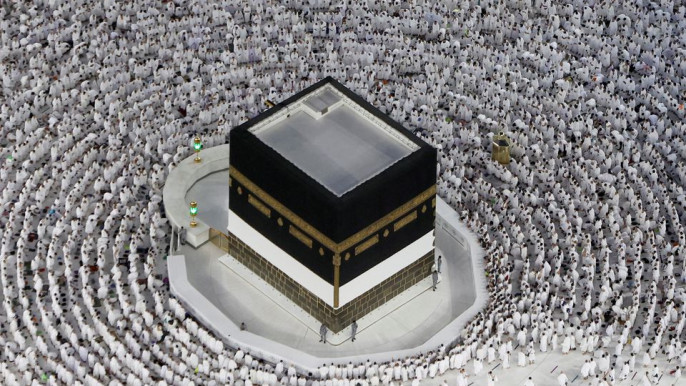
Hajj purifies the soul.  We witnessed millions of pilgrims proclaiming the Oneness of Allah—in heart, mind, and body expressing that only He deserves servitude.

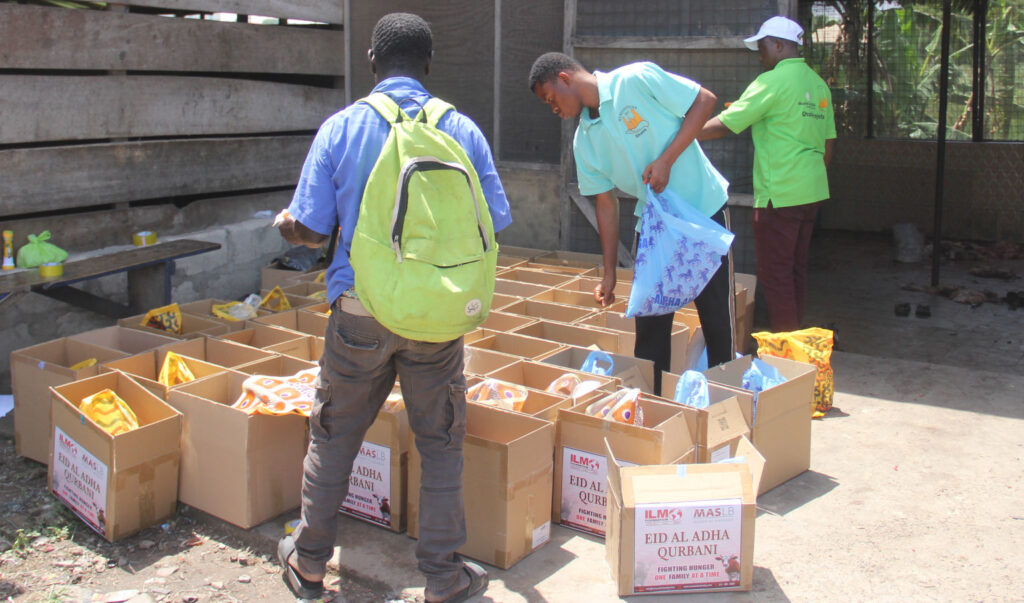
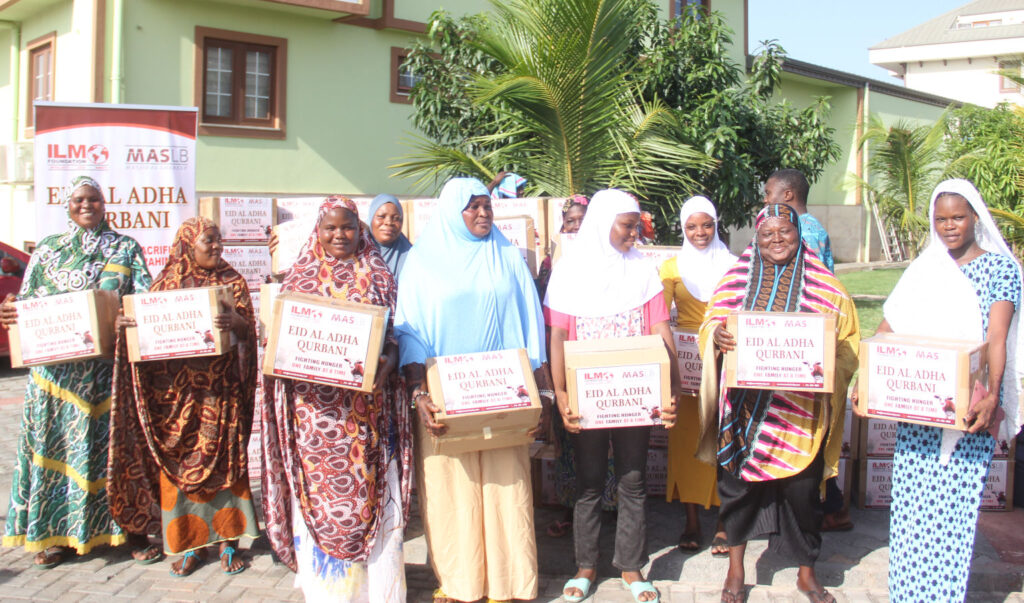
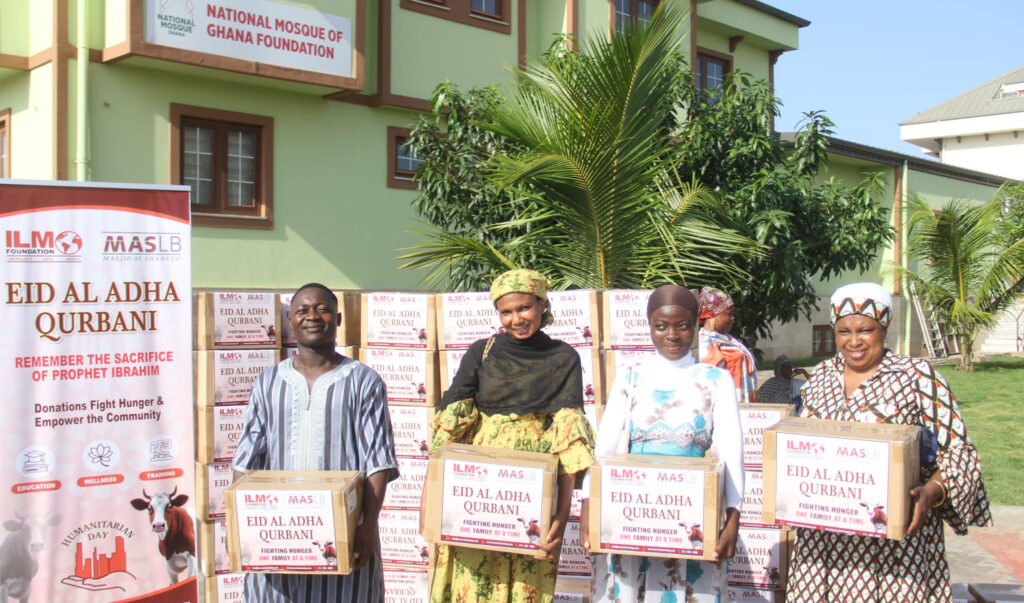
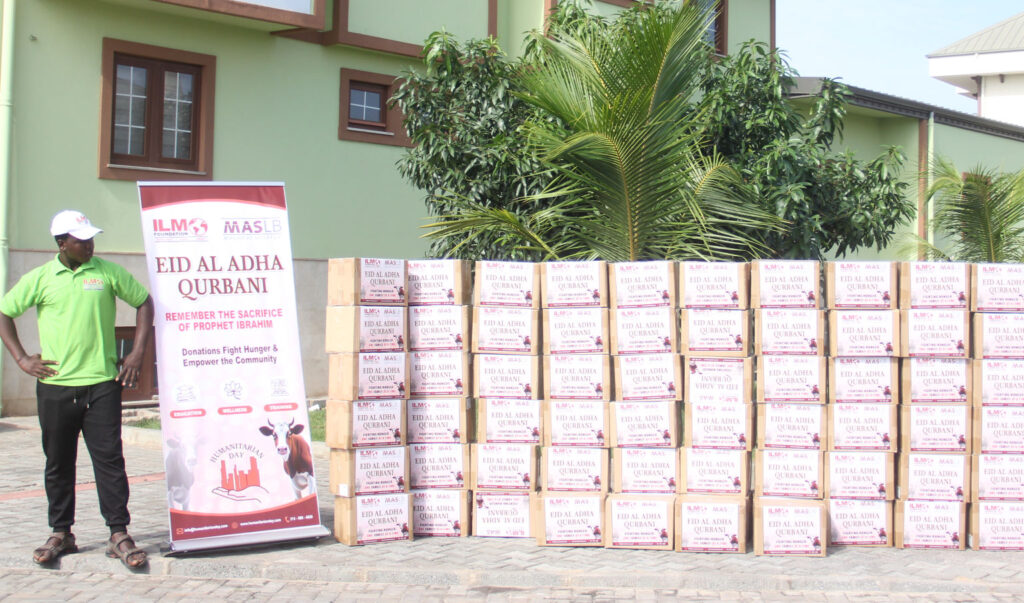
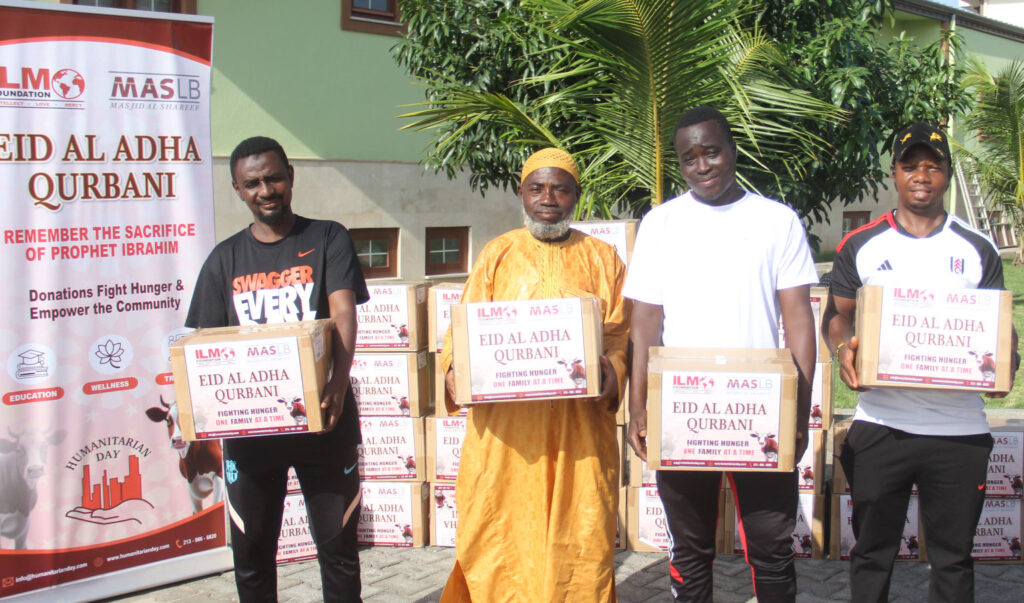
We are grateful for all your trust and support to bring our Qurbani program to life to hundreds of families. May Allah accept all our efforts.

READ MORE

The Day of Sacrifice, The Greatest Day

Prophet (peace be upon him) said: “The greatest day in the sight of Allah, may He be blessed and exalted, the Day of Sacrifice . . .” (Reported by Abu Dawud; see also Sahih al-Jami‘, 1064).

Reflection on why this day is so great:

Core Connection Between Submission and Sacrifice

At its core, Islam is “al-istiṣlām li-Llāh” submission to Allah. The Day of Sacrifice is the core of that submission. Prophet Ibrāhīm (ʿalayhis salām) was commanded to sacrifice his son — the most beloved of his earthly possessions — to demonstrate that nothing is more beloved than Allah.

In commemorating this event, Muslims around the world echo that same submission by sacrificing animals only for the sake of Allah, reciting His name and intending solely His pleasure. Thus, Yawm an-Naḥr stands as the manifestation of the essence of Islam — submission through sacrifice. No other day so viscerally represents the test of faith and absolute surrender like this one.

Completion of the Rites of Hajj — The Fifth Pillar

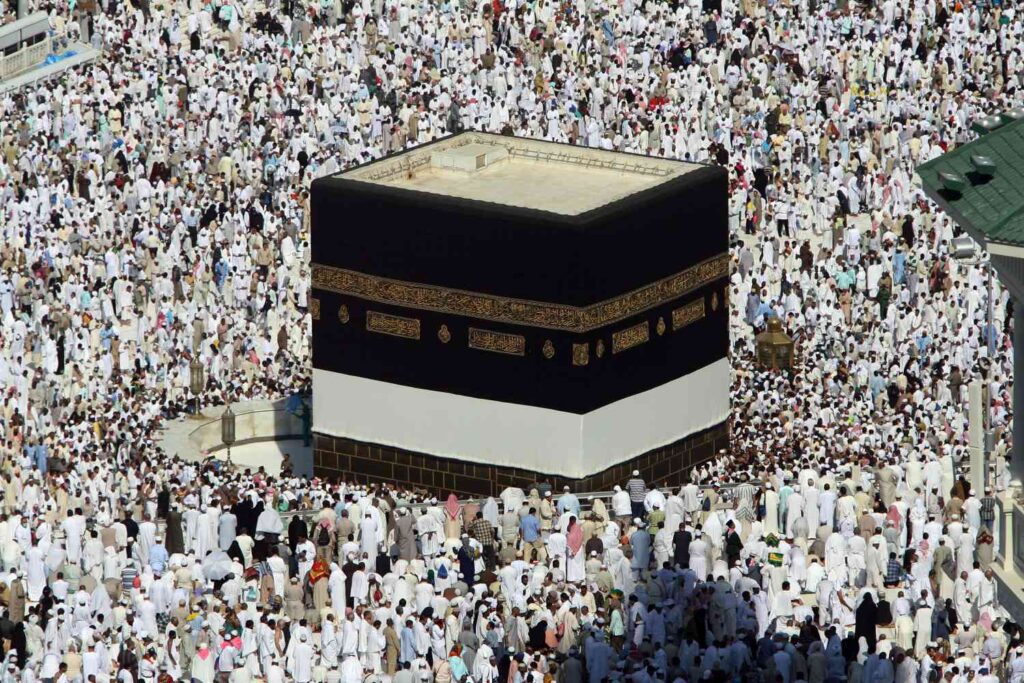
The day marks the climax of Ḥajj, the fifth pillar of Islam:On this day, pilgrims:

  • Stone the pillars at Jamarāt (symbolizing the rejection of Shayṭān),
  • Sacrifice animals,
  • Shave their heads or cut their hair,
  • Perform Ṭawāf al-Ifāḍah around the Kaʿbah.

These are all acts purification, humility, and obedience.This day combines physical effort, spiritual devotion, and ritual observance in a way no other day does. It becomes the prime example of collective ‘ubūdiyyah (servanthood).

Unity and Universal Remembrance

Every Muslim, whether performing Ḥajj or not, is united in ‘ibādah: Performing Eid prayers,

sacrificing animals, glorifying Allah (Takbīrāt), remembering Prophets Ibrāhīm and Ismāʿīl (peace be upon them), feeding the poor and kin.

A wave of worship across the globe is created on this day unifying millions of souls to turn in remembrance and obedience to their Creator.

Finally, we have Mercy and Redemption — A Day of Divine Generosity

Prophet Muhammad said, “There is no day on which Allah frees more people from the Fire than the Day of ʿArafah…”(Ṣaḥīḥ Muslim) And what follows that? The Day of Naḥr (Sacrifice) — where: forgiveness continues and mercy unfolds, rewards for good deeds are multiplied, acts of charity are performed unity. It is a day where Allah gives and gives — from His mercy, forgiveness, provision, and nearness. Its greatness is not only what humans do, but also in how Allah responds.

READ MORE

QURBANI FREQUENTLY ASKED QUESTIONS

How Does ILM Foundation Qurbani Work?

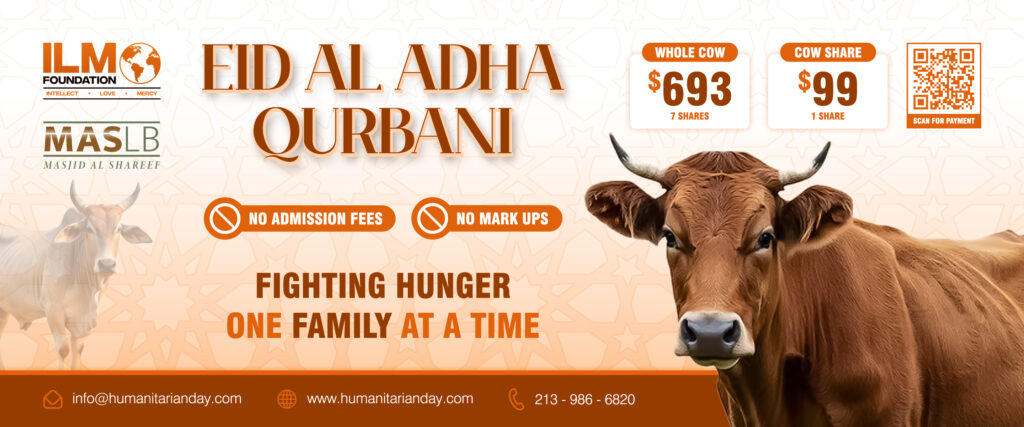
Your ILM Qurbani donation buys a share value of a sacrificial animal. For example goats and sheep are one Qurbani share. A cow is seven shares and can be split between seven individuals. ILM facilitates the entire process following all the Islamic guidelines with our own farmers and staff during the days of Eid al-Adha.

On your behalf ILM distributes your entire Qurbani donation fresh to Muslims orphans, widows, elderly, and disable in the local area. The Prophet ﷺ said: “I used to forbid you to store the meat of the sacrificed animals for more than three days so that there would be enough for everyone. But now Allah, the Mighty and Sublime, has bestowed plenty Upon us, so eat, give in charity and store. Indeed, these days are the days of eating, drinking and remembering Allah.” (Nasā’ī)

ILM Qurbani sacrifice is performed on the 11th and 12th day of Dhul Hijjah. This is to ensure our USA donors’ Qurbani are all made after their Eid prayers.  Qurbani is expected by every non-disabled Muslim who has reached the age of puberty and for everyone that meets the rules of Zakat. Please consult your local Imam to determine whom Qurbani is compulsory for.

Who needs to offer Qurbani?

The Hanafi School states that any adult, sane Muslim who possesses the Nisab value must give a Qurbani. So if you are eligible to pay Zakat, you need to offer a Qurbani. It is a practice of Prophet Muhammad (saw) who Anas bin Malik (ra) said, ‘The Prophet (saw) used to sacrifice two rams, and I also sacrifice two rams’. [Bukhari]

During the days of Eid al-Adha, the Prophet (saw) would offer both his obligatory sacrifice and an extra Qurbani on behalf of people who couldn’t afford a sacrifice. ‘The Prophet (saw) sacrificed for the one who could not sacrifice from his Ummah, one who bore witness to the Oneness of Allah and [his] Prophethood’. [Tabarani and Ahmad]

How Much is ILM Foundation Qurbani?

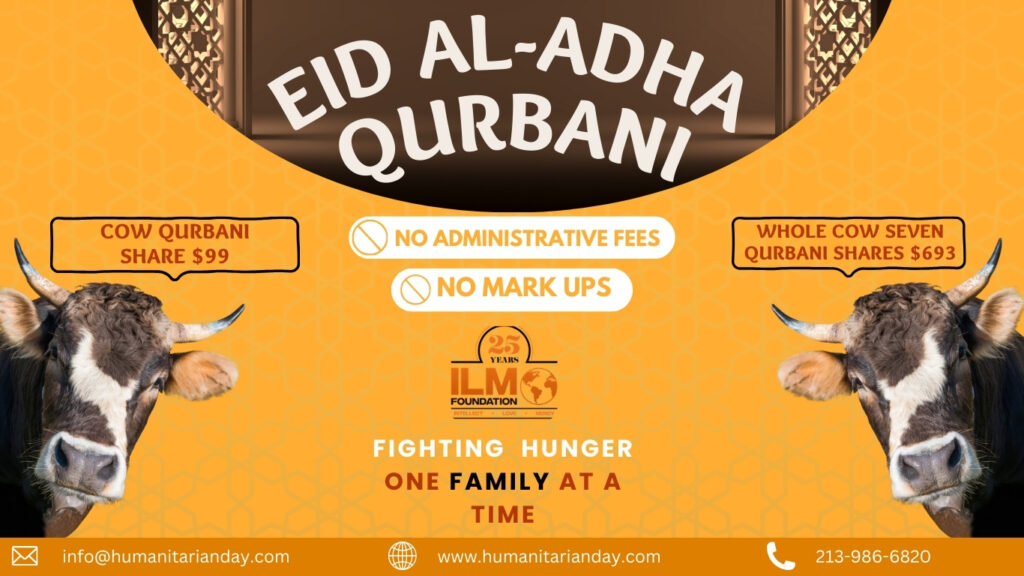
For one share per person the cost  $70 for a goat and $99 for a cow share. A whole cow is $693 worth seven shares.

What are the Qurbani Eid Dates?

The Qurbani sacrifice will be made after Eid prayer, over the three days of Eid: the 10th, 11th, and 12th days of Dhul Hijjah.

Qurbani (animal) Share Selection & Slaughter Criteria

Goat and sheep are at least one year and cows two years. The animals must me in good health. The actual slaughter is performed with a sharp knife. No animal is to be slaughtered in front of another animal. When the sacrifice is being made, the words “Bismillahi Allahu Akbar” are to be said.

Jundab bin Sufyan Al-Bajali reported, ‘I witnessed the Prophet (saw) on the Day of Nahr (or Eid day). He (saw) said, “Whoever slaughtered the sacrifice before offering the Eid prayer, should slaughter another sacrifice in its place; and whoever has not slaughtered their sacrifice yet, should slaughter now’“. (Bukhari)

How to Pay Qurbani?

You may pay your Qurbani with ILM Foundation to ensure that your Qurbani share is sacrificed Islamic correct and distributed to those in need. Feel free pay here .

Can I cut my nails or hair if I’m giving a Qurbani?

It is strongly encouraged that the one who intends to give the Qurbani does not cut their hair or nails, starting from the first day of Dhul-Hijjah up until after the sacrifice. The Prophet (saw) said, ‘When the ten days (of Dhul-Hijjah) start, and one of you intends to sacrifice, then let him not cut his hair or his nails’. (Muslim)

READ MORE

Honoring Legacy, Inspiring Service: ILM Foundation’s 25 and Masjid Al Shareef’s 50 Years of Impact

By Nusaybah Al-Mansur, Contributing Writer

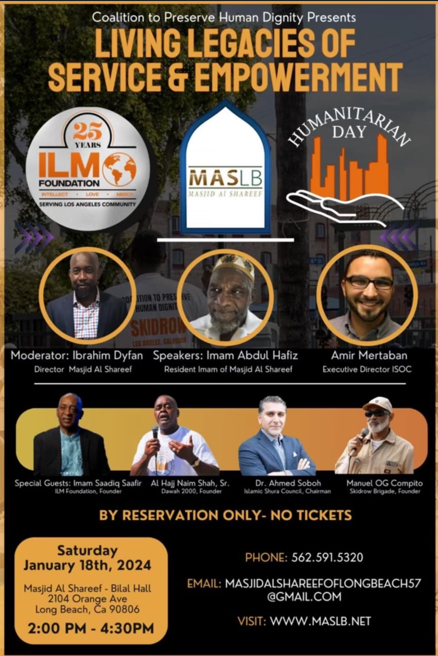
On Saturday, January 18th 2025, Ilm Foundation, in partnership with Masjid Al Shareef and the  African American Muslim Pioneer Foundation (AAMPF)  hosted Living Legacies of Service and  Empowerment, an event dedicated to honoring the pioneers of Ilm Foundation’s 25-year efforts to continue providing essential services to vulnerable populations across Los Angeles.  

Acknowledged for spear-heading long-standing efforts to assist those struggling, these pioneers and African American Muslim community leaders included founder and esteemed elder Imam  Saadiq Saafir, Co-founder and Board Member Naim Shah Jr., founder of Dawah 2000 and organizer of the first Ramadan Feeding project in 1999, Naim Shah Sr.,  and resilient community builder resident Imam of Masjid Al Shareef, Imam Abdul Hafiz. Also present was Khalid Shah, founder of Stop the Violence Increase the Peace Foundation, and founding board member of A.A.M.P.F.

At Masjid Al-Shareef, Long Beach, nearly 100 attendees gathered in support of this event, many having played a role in the success of Ilm Foundation’s Humanitarian Day, an annual event supported by local organizations to provide services and essentials to those in need- either as funders, community partners, or volunteers. The event was moderated by Ibrahim Dayfan, executive director of Masjid Al Shareef. 

Imam Abdul Hafiz, Resident Imam Masjid Al Shareef opened the program by saying:

“We thank Allah (stw) so much for this historical moment when we look and see where we are. Something that began with a vision of Imam Saadiq Saafir of Masjid Ibaadillah and Naim “Papa Shah” of Dawah 2000 putting their minds together to come up with this idea 25 years ago to show what Islam meant not just to Muslims, but to our Connection to humanity.”

“We will be [Masjid Shareef] 50 years next month. The descendants of slaves who found the message of Islam to fully embrace it are here 50 years later still standing tall, standing strong doing this work of establishing Islam in this part of the world,” said Abdul Hafiz. 

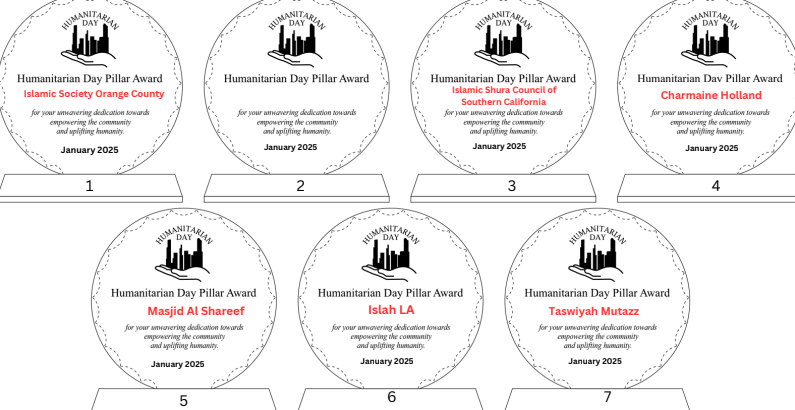
With the Humanitarian Day Pillar Awards Recognition, Ilm Foundation honored organizations and individuals for their dedication to service and assisting those in need.  

The recipients of the Humanitarian Day Pillar Awards were Islamic Society Orange County,  Islamic Shura Council of Southern California, Charmaine Holland, Masjid Al Shareef, Islah LA,  and Taswiyah Mutazz.

The Living Legacies of Service and Empowerment event was not just a gathering, but a reminder of the path of faith-driven service that was paved by both community leaders and members.  

Humanitarian Day Project Director and host Hanif Madyun emphasized the importance of community support and empathy for those in need.  

“The main goal is to raise awareness about the condition of some of our neighbors,” he said.  “Homelessness and poverty in Los Angeles are multi-layered issues that we have not solved, but  we have provided aid to over one hundred thousand individuals who are suffering, and they are  all our neighbors.” 

While planning efforts for 2025, Ilm Foundation remains steadfast in its commitment to addressing homelessness and urban poverty in Los Angeles.  

Ilm Foundation will host quarterly essential distributions at Gladys Park and Masjid Al Shareef,  ensuring that individuals facing hardship receive the necessary resources throughout the year. To address the unique faith-based needs of homeless Muslims, the Homeless Muslim Gladys Park  Care Team will also be launched.  

Additionally, Ilm Foundation will continue its ongoing partnership with R.E.B.O.U.N.D, an initiative dedicated to assisting victims of Los Angeles fires, aiming to provide relief and support rebuilding efforts. Ilm Foundation is also set to develop the ILM e-Project Management Course. Furthermore, Ilm Foundations Coalition to Preserve Human Dignity West-Coast Brotherhood  Conference and Leadership Townhall plans to foster collaboration and dialogue to drive meaningful change.  

As the Ilm Foundation moves forward, the presence of the honorees serves as a symbol of the power of faith, service, and compassion. With ongoing and future initiatives, Ilm Foundation continues to embody devotion to aiding the less fortunate, increasing the impact of African American Muslims by continuing to deepen their commitment to those in need.

READ MORE

HUMANTARIAN DAY 2025

https://www.youtube.com/watch?v=7RzOfj5lG30

Rooted in Service Powered by Faith

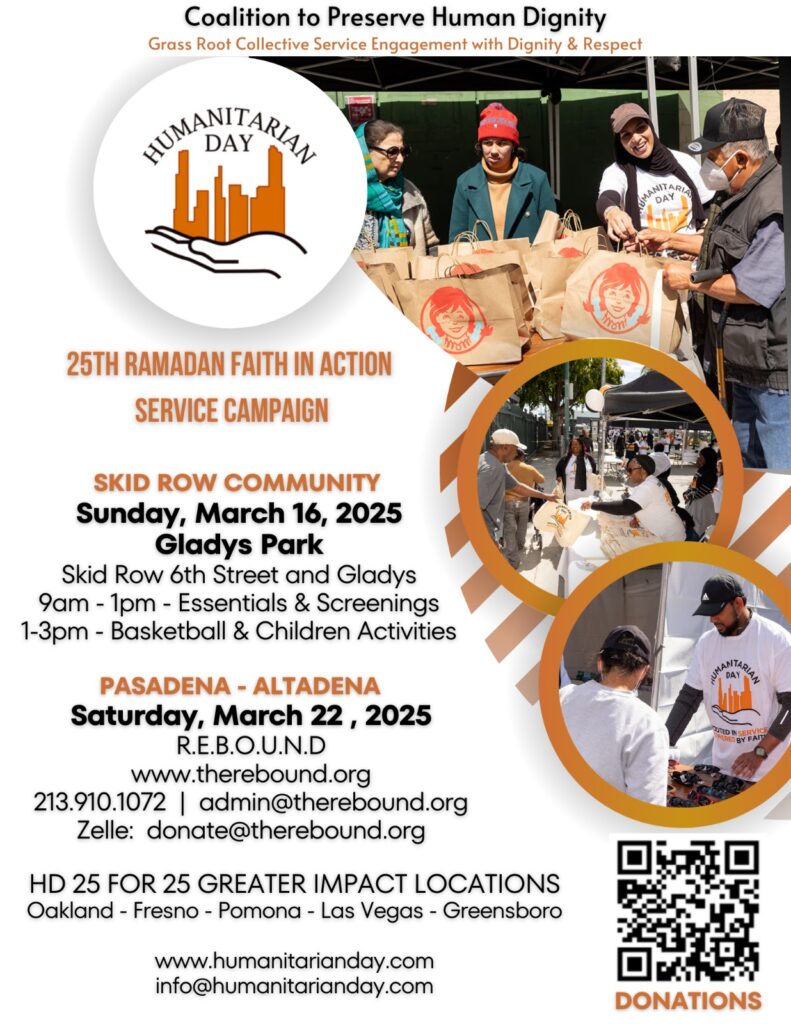
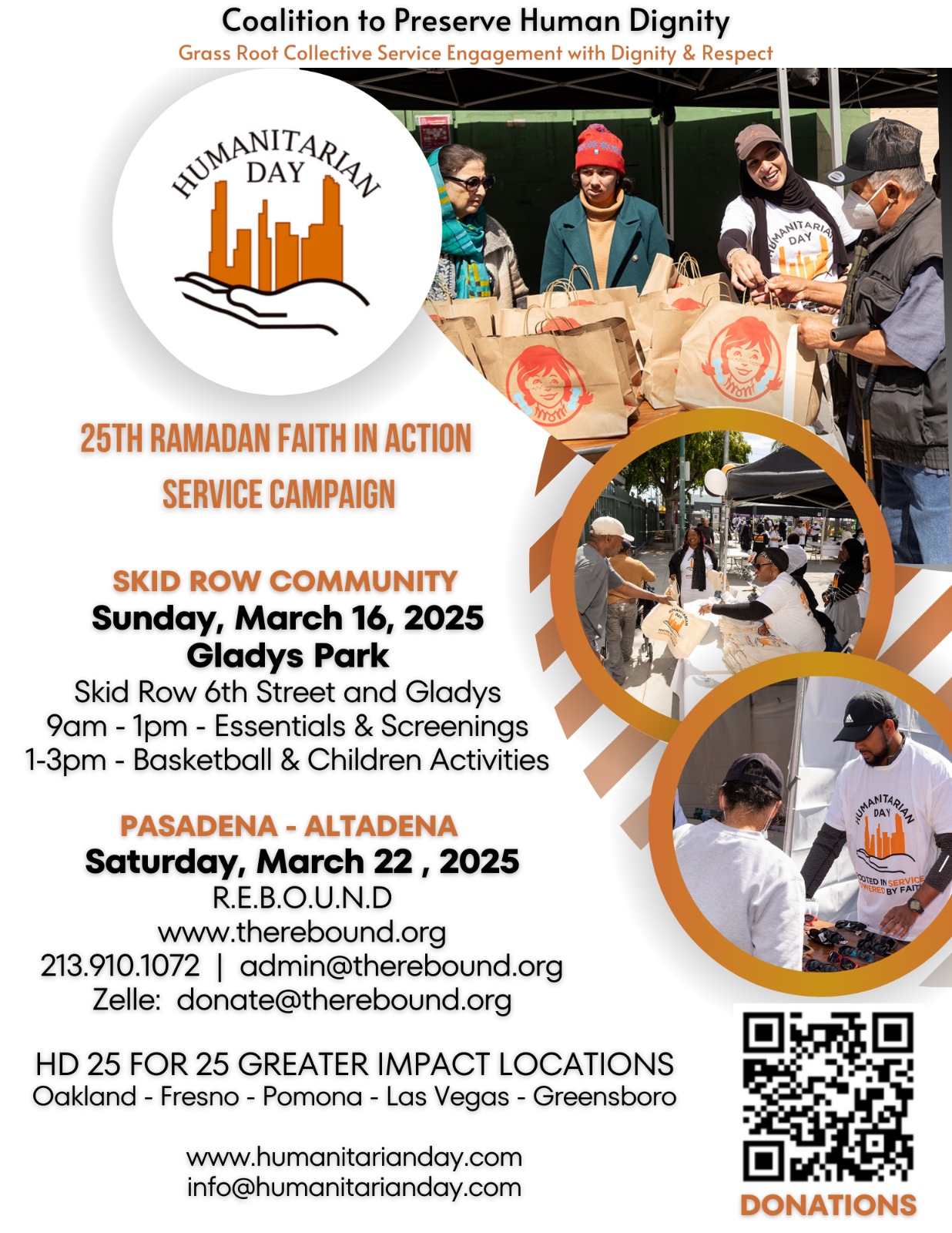
The 25th Ramadan Humanitarian Day event will be held on, Sunday, March 16, 2025 at Gladys Park on 6th and Gladys Street from 9am to 1 pm. The month Ramadan is known as the Month of Mercy, Gratitude, and Praise. Please join us to praise our Creator through exchanging greetings, gifts, talents, and resources with others.


The ILM Foundation established Humanitarian Day along with the of community partners and volunteers from the Coalition to Preserve Human Dignity during the Holy Month of Ramadan to uplift those in need starting with ourselves.

Humanitarian Day event will provide essential new gift items, eye, dental, and health screenings. Gladys Park was the selected location to increase the overall impact of the event. It brings us closer to the unhoused population in an environment known for making a social impact for residents year-round. Skidrow Brigade our local community partner has been instrumental in creating this oasis of peace and service in the center of the community.

Skid Row is the unofficial name for a neighborhood in Downtown Los Angeles officially known as Central City East. Skid Row contains one of the largest stable populations of homeless people in the United States, estimated at over 4,400, and has been known for its condensed homeless population since at least the 1930s.

HD is about service, awareness, and action. The HD 25 for 25 campaign features HDAY in Oakland, Pasadena, Pomona, Fresno, Las Vegas, and Atlanta. Volunteer, donate, and join us!!!

Event: Humanitarian Day

Date: Sunday, March 16, 2025

PDF Flyer: 2025 Humanitarian Day

Theme: Rooted in Service Powered by Faith

Time: 9 am – 1 pm

Where: Gladys Park Los Angeles (6th and Gladys Street)

For press inquiries contact

info@humanitarianday.com

READ MORE

ILM ANNUAL MUSLIM CHAPLAIN RETREAT

Dear Imams and Colleagues, 

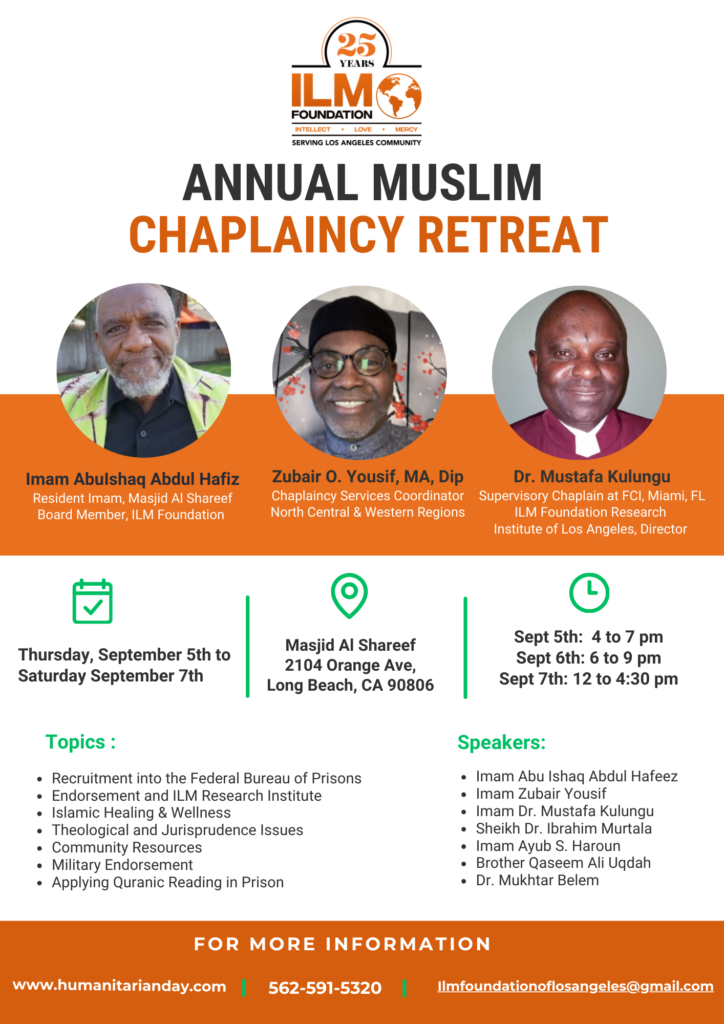
 The ILM Foundation, in collaboration with its Research Institute of Los Angeles, is delighted to announce the 2024 Annual Chaplaincy Retreat, to be held in Los Angeles, California. After thorough consultations with our esteemed presenters and instructors, we have scheduled the retreat to take place over three days, from September 5 to September 7.

FIRST DAY THURSDAY SEPTEMBER 5

Topic: Ilm Foundation Overview by Imam Naim Shah, Jr 4 to 5PM EST

Topic: Recruitment Into the Federal Bureau of Prisons by Imam Zubair Yousif 5:15 PM

Topic: Overview Of Endorsement and Ilm Foundation Research Institute Of Los Angeles, by Imam Mustapha Kulungu 6:15 pm – 7 pm  

SECOND DAY FRIDAY SEPTEMBER 6

Topic: Islamic Healing and Wellness (Ruqyah) by Sheikh Dr. Ibrahim Murtala

Time: 6 pm EST– 7 pm  

Topic: Cultural Competency and Sensitivity by Imam Zubair Yousif

Time: 7:15 pm – 8: pm

Topic: Theological And Jurisprudential Issues by Imam Ayub Harun

Time: 8: 15 pm – 9: pm

THIRD DAY SATURDAY SEPTEMBER 7

Topic: Community Resources and Connecting Inmates with Outside Community by Imam Abu Ishaq

Time: 12 Pm EST– 1pm

Topic: Military Endorsement and Its Benefits by Brother Qaseem Ali Uqdah

Time: 1:15 – 2: pm

Topic: Teaching, understanding and applying Quranic Readings in the prisons’ and military settings by Dr Mukhtar Belem, 

Time: 2: 30 -3:30 pm

Time: 3:45 – 4:30 pm Closing Remarks and Comments

READ MORE

Community Hero Tribute: Al Hajj Naim Shah Sr. Faith Family Unity

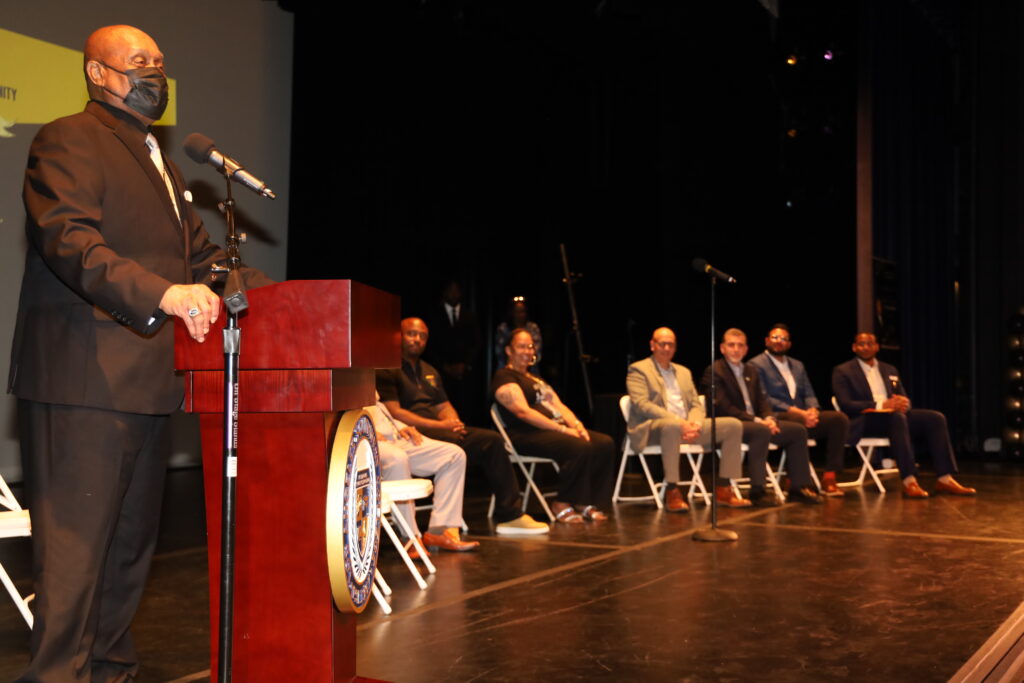
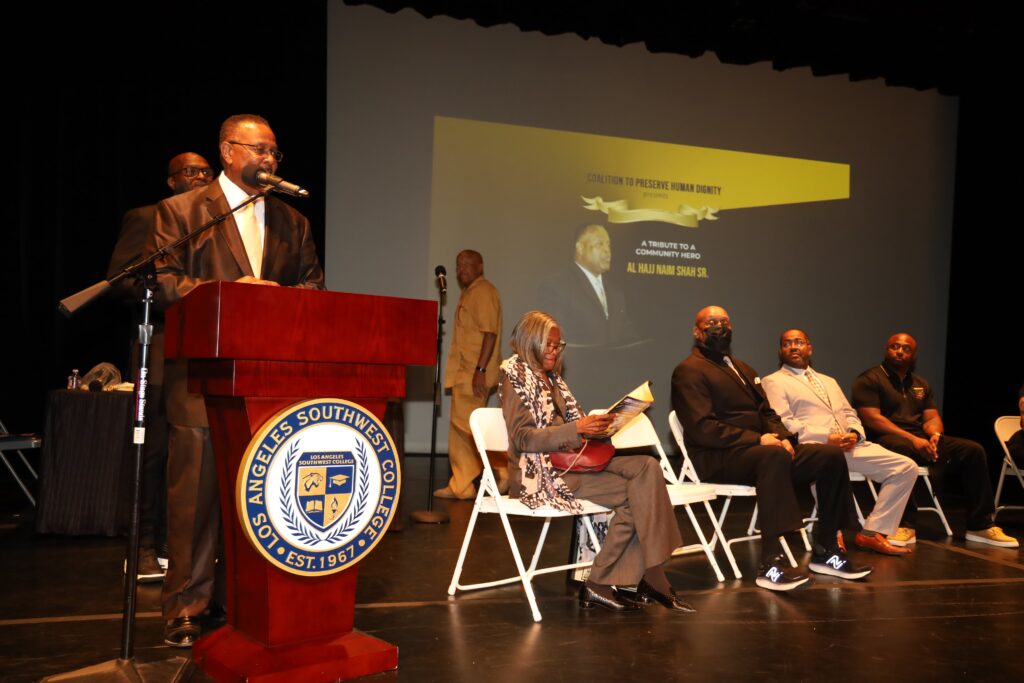
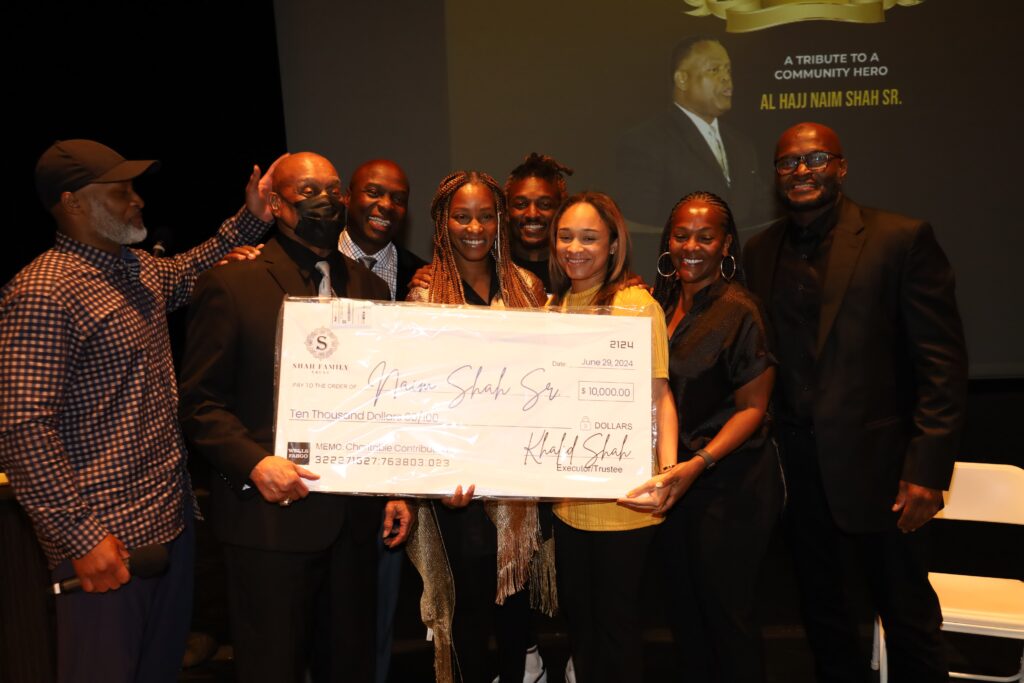
“Hold the Line!” rang loud during the special community hero tribute to Al Hajj Naim Shah Sr. “I had no idea Naim Shah Sr. was so revered to that degree by his family,” one attendee said. Sister Bridges, a prominent community activist, said, “First let’s give honor to Papa Shah’s mother because she laid the foundation to enable him to do the work he started and then pass it on to his brother (i.e. Khalid Shah)”.  Brother Sidney Cosby, Director of TRIO Talent Search at Los Angeles Southwest Community College, expressed what an honor it was to have the event hosted at his college. We owe him and the college a special acknowledgement for all their support.

While speaking Al Hajj Naim Shah Sr. acknowledged his “teacher trainer friend”, the late Imam Ali Rasheed, he honored his brother Khalid Shah, his family, and all the community members present. He reminded the community of a verse in the Quran, chapter Al-Furqan, verse 74  that says, “Our Lord! Grant unto us wives and offspring who will be the comfort of our eyes and give us (the grace) to lead the righteous”. According to the commentary of this verse by Ibn Kathir, the leader given the grace to lead the righteous are those that want to share their religious virtues with their families and utilize the gifts bestowed upon them by God for the betterment of society. Several post event acknowledgements were shared by the Islamic Shura Council of Southern California, Los Angeles Sentinel Newspaper, and the UMMA Clinic. Special thanks to Study AlIslam and the Muslim Journal for national event promotion.

 Ronnie Johnson is quoted saying, “Papa Shah is a light sent down from the heavens to shine bright in the community”.  Dr. Imam Jihad reminded us of the depth of Al Hajj Naim Shah Sr.’s character when he said, “I thank the creator to live during the era of Papa Shah and the blessing it is to watch prophetic masculinity embodied”.  Others who shared words of inspiration were Sister Kenyatta Bakeer, Fareed Farukhi of Harmony Bites, Aaron Shakoor of Shakoor Reality, Aquil Basheer, and Imam Muwallat.

Khalid Shah, founder of Stop the Violence Increase the Peace Foundation and event organizer, acknowledged the presence of our dear Imam Saadiq Saafir, Founder of ILM Foundation, and  Minister Abdul Malik Sayyid Muhammad of the Nation of Islam. London Carter, a community violence prevention activist, shared how Naim Shah Sr. brought a Nation together, including the rolling 20s, 30s, 60s, and Hoover gang members during a community empowerment course that taught them how to effectively think in the streets to save lives. His son, Sharrieff Shah, reminded that Papa Shah’s distribution of love and equity at home was just. His life work stretched over six generations; however his grandson, who memorized the entire Quran by heart, opened the program, reconnecting the family to a pre-slavery Western African Islamic tradition.  The Quran verses recited were translated by his granddaughter Bayinnah K. Shah, who is currently an honor student at Los Angeles Southwest Community College.  

Dr. Adel Syed, reminded us that Papa Shah’s activism footprint is also in the health equity landscape in Los Angeles. Naim Shah Sr. was a former board member of the UMMA Clinic who presented him with a lifetime achievement award. Award acknowledgements were also presented by the honorable Emma Sharif Mayor of Compton, Senior field representative at California State Assembly, Herb Wesson III, Br. Shafeeq Shamsid-Deen of Cair LA,  Omar Ricci of the Islamic Center of Los Angeles, Associate Manager Community Impact-Relations of the Los Angeles Rams Ghalee Wadood, and Dr. Ahmed Soboh, Board Chair of the Islamic Shura Council of Southern California.

Mr. Rey Liggins, Executive Director of Stop the Violence Increase the Peace Foundation, Darmesha Shah, Director of Operations of Dawah 2000, Alicia Hamilton, Imam Hateem Shareef, and Resident Imam of Masjid Bilal Ibn Rabah. did an excellent job organizing the event. The event ended with over twenty community awards distributed to local activists for their remarkable efforts. Please take time to view the e-version of the event program booklet here and the event video of Al Hajj Naim Shah Sr., here.

“O mankind! We created you from a single (pair) of a male and a female, and made you into nations and tribes, that ye may know each other (not that ye may despise each other). Verily the most honored of you in the sight of Allah is (he who is) the most righteous of you” (Quran Chapter 49:13).

READ MORE

Qurbani Remembering The Greatest Sacrifice

True Friendship and Sacrifice

Qurbani takes place in Dhul Hijjah, the final month of the Islamic calendar following the Eid al-Adha prayer. Qurbani is a reenactment of the sacrifice Prophet Ibrahim (as) made with his son, Ismail (as), for the sake of Allah (SWT). Qurbani is an animal that is sacrificed and the shares are divided. Eligible Muslims are responsible to do Qurbani sacrificing of an animal or entrusting someone to do it on their behalf on the 10th, 11th, and 12th days of Dhul Hijjah (after special Eid prayers).

Prophet Ibrahim was the Khalil (friend) of the Lord of all the words. As a Khalil he constantly demonstrated the greatest form of love towards Allah. He was then blessed with a righteous son, Ismail. And when a portion of his heart began to attach toward His son, Allah then tested their friendship.

“When he was old enough to walk with him, he said, “My son! I have seen in a dream that I am sacrificing you. See what you think.” He said, “My father, do that which you are commanded. You will find me, Allah willing, one of the patient.” Quran 37.102

After Prophet Ibrahim (as) proved that He loved Allah more than anything else, the conflict in heart disappeared; and therefore there was no need to sacrifice His son. “Allah says, “We ransom him with a great sacrifice“. Quran 37:107 So Ismail (as) was replaced with a sacrificial animal which Prophet Ibrahim slaughtered. This story of friendship, sincerity, and love for Allah will be praised and practiced until the day of Judgement. Source Tafsir Chapter 37:83-113

As Eid approaches, we get ready to follow in the footsteps of Prophet Ibrahim (as), who was ready to sacrifice what was most dear to him upon Allah’s command. This year, you really are making the greatest sacrifice that will have the greatest impact on the Ummah. Qurbani signals completion of the Hajj. The Hajj is the pilgrimage made to the holy city of Mecca. Qurbani is huge tradition in many parts of the Muslim world celebrated with family and friends.

Qurbani is a spiritual action and a chance to draw closer to Allah! ‘Their meat will not reach Allah, nor will their blood, but what reaches Him is piety from you.’ Qur’an, 22:37 The meat from your Qurbani will be distributed to those most in need, nourishing them during the days of Eid al-Adha and beyond, and bringing them joy in these hard times. Meanwhile, the essence of your offering will reach Allah – so we urge you to give a sacrifice truly worthy of this status, according to your means. We also urge you to follow the Prophet’s practice of giving an additional Qurbani on behalf of the the Muslims who cannot afford to do so.

READ MORE
  • 1
  • 2